Dec 18, 2025
Should I Pay Off My Car Loan Early?
If you have a car loan, you might be wondering whether it’s a good idea to pay it off ahead of schedule. Paying off an auto loan early can be a smart personal finance move in many cases: it could save you money on interest and improve your monthly cash flow.
However, it’s important to consider the potential downsides and your own financial situation first. In this article, we’ll weigh all the pros and cons of an early car loan payoff and explore the best ways to pay your auto loan off sooner if you decide it’s right for you.
TL;DR
Yes, you can pay off your car loan early to save on interest and eliminate a monthly payment – but whether you should depends on your circumstances. Make sure the interest savings outweigh any prepayment penalty your lender might charge, and consider your other financial priorities (like higher-interest debt, emergency savings, or retirement investments) before using extra money to pay your car loan sooner. If you do pay it off, you’ll own your car outright and free up that money for other goals.
Key Takeaways
- Paying off a car loan early can save you money on total interest payments and remove a monthly debt from your budget. This frees up cash flow and can improve your debt to income ratio and overall budget immediately.
- Weigh the decision against your other priorities. Check that your lender doesn’t charge a prepayment penalty (some lenders charge fees for early payoff). Also ensure you’re not neglecting higher-interest debt (like credit cards or other high interest debt) or draining your emergency fund just to rush the car payoff.
- Keeping the loan has some credit benefits. Continuing to make on-time auto loan payments helps build a positive payment history. A car loan is an installment loan, which adds to your credit mix. Paying it off early won’t hurt your credit, but you may lose the ongoing credit-building benefit of regular payments.
- There are multiple ways to pay off your car loan faster. You can make extra principal payments (for example, biweekly payments or one lump sum payment with any extra cash), refinance to a shorter term at a better rate, or even downsize your vehicle to reduce the loan. Choose an approach that fits your financial goals without straining your living expenses.
- Consider your overall financial goals before rushing to pay debt. If your car loan has a very low interest rate, it might make sense to keep it and put extra funds toward other financial goals – such as contributing to retirement savings, a health savings account, or investing – where you could potentially earn more. The best choice depends on your personal financial situation.
Can I pay off my car loan early?
The simple answer is yes, you can pay off your car loan early. Maybe you came into a large sum of money and want to put that towards an early settlement of your auto loan with one lump-sum payment. Or maybe you got a raise at work and can afford to make extra payments going forward. In either scenario, there’s nothing stopping you from paying your car loan faster.
Should I pay off my car loan early?
Of course, life is rarely simple. Just because you can pay off your car loan early, does that mean you should? The answer to that question depends on your unique financial situation – such as whether you have multiple debts you need to pay off as well, or whether you can actually afford to increase your monthly car payments in the first place without straining your budget or neglecting your emergency fund.
Of course, there are some obvious benefits of paying off your car loan early. If you’re leaning toward an early settlement of your car loan or making a big lump-sum payment to pay off your car debt faster, you’ll:
- Save on interest over the full term of your loan.
- Remove a monthly payment from your expenses.
- Own your car outright sooner (until the loan is paid, the lender technically owns the vehicle’s title).
But there are also some surprising disadvantages of paying off your car loan debt early...
3 reasons to NOT pay off your car loan early
Sure, it’s beneficial to pay off your car loan early — but only if it makes sense for your unique financial situation. Here’s a quick look at some reasons why you might want to keep your car loan and continue to pay the monthly minimum payments instead:
1. You might want to build your credit rating
Paying off your car loan early won’t negatively impact your credit rating at all. But if you want to build your credit, it can be beneficial to hang on to your car loan and make the monthly payments instead. On-time regular payments will positively contribute to your credit rating more than a single lump-sum payment or paying your loan off faster. It also keeps an installment loan account open on your credit report longer, which can improve your credit mix (having both installment loans and revolving credit accounts) and even your length of credit history.
2. You might have higher-interest debt to pay off
Chances are, your car loan isn’t the only debt you have. You might have a mortgage, credit card debt, student loans, a personal line of credit – or all of the above. If you’re in a position to consider paying off your car loan early, you should look at which of your debts carries the highest interest rate. If you managed to secure a low APR on your car loan (such as 0% financing), you might not want to pay that debt off first. It’s wise to compare the interest rates on your various loans and pay down high-interest debt first, as this will save you the most money in interest over the long term. If you have multiple debts, prioritize the ones with the highest rates (for example, credit cards or other high interest debt) to maximize interest savings. For instance, you wouldn’t want to borrow money at a higher interest rate (for example, using a credit card or personal loan) to pay off your car loan early, because that would cost you more in the end.
3. You might be hit with a payoff penalty
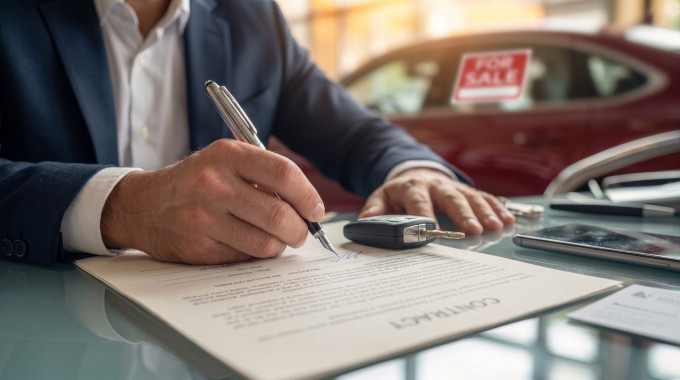
Before you make your decision, review the terms of your car loan contract. It’s rare, but some lenders will charge a payoff penalty if you decide to pay off your loan amount early. (In other words, a prepayment penalty for breaking the contract early.) If this is the case for your car loan, you’ll need to assess whether that penalty is less or more than the money you’ll save on interest for the remainder of your original loan term. Some lenders charge a percentage of your remaining balance or a flat fee as an early payoff penalty. Be sure to factor in any additional fees that lenders charge for early repayment when calculating the true benefit of paying off your car loan ahead of schedule.
How fast will a car loan raise my credit score?
A car loan won’t boost your credit score overnight, but it can definitely help improve your score over time with responsible management. When you first take out an auto loan, you might actually see a small drop in your credit score due to the hard inquiry and the new debt on your credit report. However, after a few months of consistent on-time payments, you may start to notice your score gradually rising. Many borrowers see positive changes within six to twelve months as credit bureaus record your regular payments and your new account begins to age. The exact timeline varies for everyone — if you had a very limited credit history, an auto loan could raise your score more quickly by adding an installment trade line and positive payment history. The key is to keep making all your payments on time. Over the life of the loan, those timely payments and the mix of credit (having an installment loan in addition to, say, a credit card) can significantly strengthen your credit score.
Auto loan dropped my credit score
What if you notice your credit score dropped after getting an auto loan, or even after paying off your auto loan? Don’t panic – this is usually a temporary situation. Taking on a new car loan can cause a brief dip in your credit score. That happens because applying for the loan triggers a hard inquiry on your credit report, which may shave a few points off your score in the short term. Also, a brand-new loan increases your total debt and lowers the average age of your credit accounts. These factors can make your score drop slightly right after you open the loan.
On the other hand, some people see their credit score drop after they finish paying off a car loan. This might feel frustrating (you did the responsible thing, after all!), but it can happen for similar reasons. When you pay off and close an installment loan, you’re removing that account from your active credit mix. If that car loan was your only installment account, your credit mix becomes less diverse. Closing an account can also reduce the overall length of credit history contributing to your score. The result? Your score might dip a bit once the loan is gone. The good news is that this drop is usually small and temporary. A paid-off auto loan is still a positive mark on your credit report (it shows you successfully repaid a debt). As long as you continue to manage any remaining credit accounts responsibly – paying other loans and credit card bills on time – your credit score should stabilize and could even improve in the long run. In short, an auto loan might cause a brief score drop at the beginning or end of the loan, but the long-term effect of a well-managed car loan is generally positive for your credit health.
How to pay off your car loan early
If you do decide to pay off your car loan ahead of schedule, you have a few options for how to go about it. You can pay an additional amount toward the principal each month along with your normal payments (some people even split their payments into biweekly payments, which results in one extra full payment per year). You can also make a one-time lump sum payment (or several lump sum payments over time) whenever you come into extra money – for example, using a tax refund or bonus to knock down your remaining balance.
If you are in a stronger financial position than when you first bought the car and your credit score has improved, refinancing is another route to consider. Refinancing your auto loan to a shorter term (with a possibly better interest rate) can help you pay off the debt faster, though keep an eye out for any new loan origination fees or longer-term interest costs if you refinance to a significantly longer term just for a lower payment.
You might also want to consider simply downsizing your vehicle to a more cost-efficient option. Selling your current car and moving to a cheaper one can allow you to use the sale proceeds to pay off your existing loan and potentially avoid taking on as much new debt. Even if you just trade down, this will lower your overall car loan amount and decrease your monthly payments. Just be mindful of your car’s value versus your loan balance – cars depreciate over time, so if your vehicle has lost value, watch out for negative equity (owing more on the loan than the car is worth) when you try to sell or trade it in.
Before you make any final decision, make sure you check with your lender and ask about any penalties or procedures for paying your loan off early. Every lender is different, so you’ll want to know if there is a formal payoff amount, any small administrative fees, or a specific process to get your title once you clear the loan. To learn more about these options, make sure to check out our "3 Ways to Pay Off Your Car Loan Faster" blog post.
How to lower car payment without refinancing
Maybe paying off your car loan early isn’t realistic right now, but you still need some relief on that monthly payment. If refinancing your auto loan isn’t an option (perhaps due to not qualifying for better terms, or you simply don’t want to start a new loan), there are a few approaches you can explore to lower your car payment without taking out a new loan:
- Request a loan modification: You can talk to your current lender about modifying your loan terms. In some cases, lenders might extend the length of the loan or even temporarily reduce the interest rate or payment amount if you’re experiencing financial hardship. Extending the term can lower your monthly payment, although you may end up paying more interest in total by taking longer to pay off the loan. Always review the modified terms carefully to ensure they truly help your situation without too many downsides.
- Trade in or sell your car for a cheaper one: If your current vehicle is expensive to finance, consider downsizing. You could trade in your car at a dealership or sell it privately and use the proceeds to pay off your existing loan. If you do this, you can then purchase a more affordable car (or even pay cash for a car) that comes with a lower loan amount or no loan at all. This will significantly lower or eliminate your car payment. Be careful to check your loan balance versus the car’s value first; if you have negative equity (owing more than the car is worth), you’ll need to cover the difference or roll it into a new loan, which isn’t ideal. But if the numbers work out, trading down can save you a lot.
- Reduce other expenses and budget differently: While this doesn’t change your loan terms, cutting costs in other areas can free up money to help with your car payments. Look at your monthly budget for places to save money – for example, you might trim non-essential subscriptions or find a cheaper car insurance policy to reduce your overall car ownership costs. Any extra cash you free up can make it easier to cover your auto loan payment without refinancing. Additionally, if your financial situation improves over time (say you pay off other debts or increase your income), your car payment will naturally become a smaller burden relative to your budget.
Get pre-approved for your next vehicle with ease
Whether you’re looking for a car, truck, or SUV, Canadians can now secure financing and shop with confidence, knowing exactly what they can afford. Get pre-approved online in under 3 minutes – any credit accepted!
FAQ
Q: Can paying off my car loan early hurt my credit score?
A: Not really. Paying off an installment loan like a car loan early won’t create a negative mark on your credit report. In fact, the loan will be reported as paid in full to the credit bureaus, which is positive. That said, you might see a slight and temporary dip in your credit score after the loan is closed because you’ll have one less active credit account and your overall credit mix might change. As long as you have other accounts in good standing and continue a positive payment history elsewhere, your credit score should not suffer in the long term from paying off your car early.
Q: Is there a penalty for paying off a car loan early?
A: It depends on your lender and loan agreement. Some auto loans come with a prepayment penalty or other fees for paying off the loan ahead of schedule. You should review your contract or ask your lender if any payoff penalty applies. If there is no penalty, you can pay off the remaining balance at any time and only owe the outstanding principal and any interest accrued since your last payment. If there is a penalty, calculate whether the fee costs more or less than the interest you’d save by paying off early.
Q: Should I pay off my car loan early or invest the money instead?
A: This comes down to interest rates and personal priorities. If your car loan interest rate is higher than what you’d earn by investing the money or keeping it in a savings account, then paying off the loan gives you a guaranteed return (in the form of interest saved). On the other hand, if your auto loan has a very low rate (say 2–3%), you might get more benefit from putting extra funds into investments or savings. For example, contributing to your retirement savings or even a health savings account might yield more in the long run if those investments grow at a higher rate. It’s also important to ensure you have an emergency fund and no other high-interest debt. In short, if the car loan is cheap and you have other financial goals with higher returns or pressing needs, you don’t necessarily need to rush to pay it off.
Q: How much money will I save by paying off my car loan early?
A: The amount of money saved will be the interest you don’t have to pay in the future. When you pay off a loan early, you stop future interest charges from accruing on the remaining balance. The exact amount of interest saved depends on your loan’s principal balance, interest rate, and how many months of payments you skip by paying it off sooner. It could be a few hundred dollars or several thousand dollars in interest saved, depending on those factors. Your lender can provide a payoff quote that shows the remaining balance and any interest up to the payoff date. By comparing that to what you’d pay if you continued making monthly payments, you can see the total interest saved.
Q: What happens to my monthly budget if I pay off my car loan?
A: Once your car loan is paid off, you no longer have that debt payment each month, which can be a huge relief for your budget. It frees up money in your monthly cash flow that you can redirect to other uses – for example, you can allocate that amount toward other debt payments, put it into savings or investments, or cover living expenses more easily. Eliminating a car payment will also improve your debt to income ratio (since you have less debt obligation against your gross monthly income). Overall, your financial flexibility increases when you remove a car payment from your monthly obligations, allowing you to work toward other financial goals.
People Also Ask
Q: Why did my credit score drop after I paid off my car loan?
A: It’s common to see a small credit score drop after paying off a car loan because closing an account can affect your credit mix and average account age. When that installment loan is removed from your credit profile, you might lose a bit of the diversity in your credit accounts. The drop is usually minor and temporary. Your score should stabilize or even improve again over time, especially if you continue to use other credit responsibly. Remember, having the loan paid off is still a positive mark on your credit history (it shows you fulfilled the debt).
Q: Is it smart to pay off a car loan early?
A: It can be very smart to pay off a car loan early if doing so saves you a significant amount of interest and you have no better use for the money. Being free of the monthly payment can improve your financial situation and give you peace of mind. Just make sure you’ve considered everything: for example, pay off higher-interest debts first, ensure you have some savings set aside for emergencies, and check that there’s no prepayment penalty. If all those boxes are ticked, paying off a car loan early is often a wise move.
Q: Can I pay off my car loan early without penalty?
A: In many cases, yes – a lot of auto loans allow early payoff without any penalty, but you should confirm with your lender. Look at your loan agreement or contact the lender to ask if there are any fees for early repayment (such as a prepayment penalty). If there’s no penalty, you’re free to pay off the loan whenever you’re ready. If there is a penalty, you might decide to wait or pay it off closer to the end of the term when the fee would be smaller (if it’s calculated on the remaining balance).
Q: How can I pay off my auto loan faster?
A: To pay off your auto loan faster, you can use a few strategies. One common method is to make biweekly payments instead of monthly – this results in 26 half-payments a year, which is equivalent to 13 full monthly payments (one extra payment annually). You can also simply pay more than the minimum each month, directing any extra money toward the principal balance. Making occasional lump sum payments toward the loan when you come into extra cash will also speed up the payoff. Additionally, you could consider refinancing to a shorter loan term with a lower interest rate, or even selling the car and paying off the loan if that makes financial sense for you.
Q: What happens when you pay off a car loan early?
A: When you pay off a car loan early, a few things occur. First, you request a payoff amount from your lender and pay the remaining loan principal (plus any interest up to that date). Once the loan is fully paid, the lender will remove their lien on the vehicle – in other words, the lender no longer technically owns the car, and you receive the title, making you the sole owner. You will no longer have to make car payments, and you’ll stop accruing interest charges. Make sure to get confirmation from the lender that the loan is closed and keep records of the payoff for your files. Also, inform your insurance company that you own the car outright, as you may then have the option to adjust coverage if you choose (for instance, some people with older cars drop collision or GAP insurance once the car is paid off). Overall, paying off the loan gives you full ownership of the vehicle and one less bill to worry about.
Related Prompts
- What are the pros and cons of paying off a car loan early?
- Should I pay off my car loan early or pay down my credit cards first?
- How does paying off an auto loan early impact my credit score?
- What strategies can I use to pay my car loan off faster?
- How can I reduce my monthly car expenses without refinancing my loan?