Jan 22, 2026
Do You Pay Tax on Private Car Sales in Ontario?
Buying a used vehicle from a private seller in Ontario can feel less formal than buying from a car dealership, but sales tax still applies. The rules are different, and understanding them upfront helps car buyers avoid surprises when registering the vehicle.
TL;DR
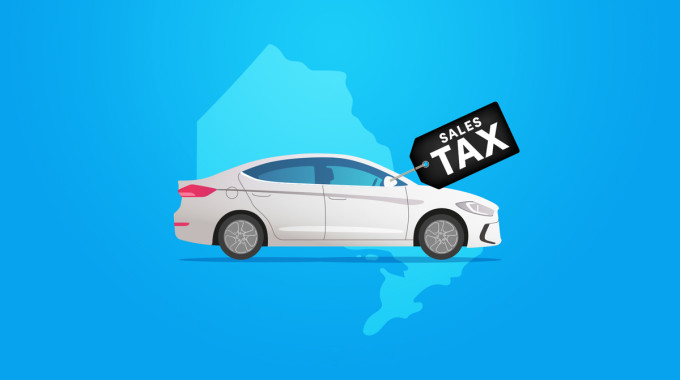
If you buy a used motor vehicle through a private sale in Ontario, you must pay 13% Retail Sales Tax (RST) when you register the vehicle. The tax is calculated based on either the purchase price or the vehicle’s average wholesale value, whichever is higher. The buyer, not the seller, is responsible for paying the tax, although limited tax exemptions may apply in specific situations such as family gifts or inheritances.
Key Takeaways
- Private used car sales in Ontario are taxed using retail sales tax (RST), not HST
- The buyer pays all applicable sales tax at registration
- RST is calculated on either the purchase price or the minimum retail sales price
- Underreporting the sale price does not reduce how much tax is owed
- Some transactions qualify for tax exemptions, but documentation is required
Do You Pay Tax on Private Car Sales in Ontario?
In Ontario, sales tax applies to most vehicle purchases, whether the vehicle is new or used. When buying from a car dealership, dealers collect harmonized sales tax (HST)—which combines federal sales tax and provincial sales tax—and remit it to the federal government.
Private vehicle sales work differently.
If you buy a used vehicle from a private seller who is not a licensed dealer or a GST/HST registrant, you do not pay HST at the time of sale. However, this does not mean the purchase is tax-free. Instead, Ontario applies Retail Sales Tax (RST) when the vehicle is registered in the buyer’s name.
This distinction often causes confusion among used car buyers, particularly first-time buyers or those trying to save money by avoiding dealership purchases.
How Does Ontario Collect Tax on Private Used Vehicle Sales?
Because private sellers are not required to collect sales tax, the responsibility shifts to the buyer.
When you register a used motor vehicle at a ServiceOntario location, the province collects 13% RST at that time. The tax is calculated based on the greater of:
- The purchase price, or
- The vehicle’s average wholesale value, sometimes referred to as the minimum retail sales price
Ontario uses third-party valuation data (commonly known as the Red Book value) to determine this wholesale value. This ensures taxes collected reflect the vehicle’s market value rather than just the amount listed on the bill of sale.
If the average wholesale value is less than $1,000, RST is calculated using the purchase price instead.
What If the Vehicle Is Damaged or Excessively Used?
If the used vehicle is considered excessively used or severely damaged, but still valued above $1,000, you may request an appraisal.
If both:
- The appraised value, and
- The purchase price
are lower than the average wholesale value, RST will be calculated on the higher of the appraisal or the purchase price.
This process helps ensure buyers are not overcharged while still preventing tax avoidance.
Private Car Sale Tax in Ontario vs HST on Used Cars
Understanding the difference between RST and HST is key when comparing private sales and dealership purchases.
Buying a Used Vehicle from a Car Dealership
- Tax applied: HST (13%)
- Collected by: The dealership
- Calculated on: Sale price, often reduced by trade-in credits (less tax)
Buying a Used Vehicle Privately
- Tax applied: RST (13%)
- Collected by: Ontario Ministry of Finance
- Calculated on: Either the purchase price or average wholesale value
- No trade-in credits apply
Although the sales tax rate is the same, the way it is calculated and collected differs significantly.
Does the Seller or Buyer Have to Pay Taxes on a Private Car Sale?
In Ontario, the buyer is always responsible for paying sales tax on a private used car sale.
The seller:
- Does not collect tax
- Does not remit tax
- Has no sales tax reporting obligation
The buyer pays RST when registering the motor vehicle, regardless of whether the vehicle is paid for in cash, financed, or transferred between individuals.
How Much Tax Do You Pay on a Used Car in Ontario?
The sales tax rate for private used car sales is 13%.
That tax is applied to:
- Either the purchase price, or
- The minimum retail sales price (average wholesale value)
This amount contributes directly to the total cost of buying a used vehicle and should be considered alongside insurance, licensing, registration fees, and financing costs. Financing terms, price and financing rate, or negative equity do not reduce the amount of tax owed.
Can You Avoid Paying Sales Tax on a Used Car (Legally)?
In most cases, you cannot avoid paying taxes on used car sales in Ontario. However, the province does provide specific tax exemptions for certain situations.
You may not have to pay RST if the vehicle is:
- Received as a gift from an eligible family member in Ontario
- Transferred through a will or inheritance
- Brought into Ontario when you are moving from another province
- Registered by a foreign diplomat
- Purchased by a Status Indian under applicable federal government rules
To claim an exemption, you must complete the appropriate forms and provide supporting documentation when registering the vehicle. Without proper proof, RST will still be charged.
Learn more about RST in Ontario here.
Why Declaring a Lower Price Doesn’t Reduce Tax
Some buyers assume they can save money by declaring a lower purchase price on a private sale. Ontario’s tax system is specifically designed to prevent this.
Because RST is calculated using either the purchase price or the average wholesale value, whichever is higher, declaring a lower price does not reduce how much tax is owed.
Misrepresenting a vehicle’s value can lead to reassessment or penalties.
What About Antique, Luxury, and Specialty Vehicles?
Antique Vehicles
According to the Ontario Ministry of Transport, for sales tax purposes, an antique vehicle is one that is 20 years or older at the time of registration.
If the car or truck you’re buying qualifies as an antique, Retail Sales Tax (RST) is calculated based on the highest of:
- The purchase price
- The vehicle’s appraised value
- The insurance replacement value
When you register the vehicle, you will be required to provide a bill of sale showing the purchase price, along with either proof of an appraisal or an insurance policy confirming the vehicle’s insured value.
Luxury Tax
The federal luxury tax generally applies to certain new vehicles above a price threshold. It typically does not apply to private used car sales, but it may affect the original price of newer vehicles.
We discuss Ontario car insurance in more detail here.
Other Vehicles Subject to Retail Sales Tax
RST applies to more than standard cars and light trucks. It also includes:
- Motorcycles, scooters, and mopeds
- Buses, vans, and motor homes
- Camping trailers
- Off-road and snow vehicles
- Boats and aircraft
If the vehicle requires a permit to operate, retail sales tax usually applies.
FAQ
Do you pay sales tax on a private car sale in Ontario?
Yes. When you buy a used vehicle through a private sale in Ontario, you must pay 13% Retail Sales Tax (RST). The tax is paid by the buyer when the vehicle is registered in their name, typically at ServiceOntario, rather than at the time of purchase.
Is there federal sales tax on private used car sales?
No. Private used car sales are not subject to federal sales tax or HST. Instead, Ontario applies provincial retail sales tax (RST), which is collected when the buyer registers the vehicle.
Does financing affect how much tax I pay?
No. Sales tax on a used vehicle is calculated before financing and is based on the vehicle’s value, not the loan amount. Financing terms, interest rates, or negative equity do not change how much tax is owed.
Can I register a vehicle and pay tax online?
Some steps in the registration process can be completed online, but vehicle registration and payment of RST usually require an in-person visit. Buyers should be prepared to bring required forms and documentation when registering the vehicle.
People Also Ask
Do private car sales include sales tax in Ontario?
Yes. Private car sales in Ontario are subject to 13% Retail Sales Tax (RST), which the buyer pays when registering the vehicle through ServiceOntario, not at the time of sale.
What is the minimum retail sales price for used vehicles?
The minimum retail sales price is the vehicle’s average wholesale value, which Ontario uses to calculate tax if it is higher than the purchase price. This ensures sales tax is based on market value, not just the amount listed on the bill of sale.
Who pays RST on a used car?
The buyer pays Retail Sales Tax on a used car in Ontario. Private sellers do not collect or remit sales tax.
How does Ontario calculate used car sales tax?
Ontario applies 13% RST to the greater of the purchase price or the vehicle’s average wholesale value. The tax is paid when the vehicle is registered, not when it is purchased.
Related Prompts
- “How is retail sales tax calculated on used vehicles in Ontario?”
- “Private car sale vs dealership purchase: total cost comparison”
- “What tax exemptions apply when gifting a car in Ontario?”
- “RST vs HST explained for used car buyers”
About Canada Drives
Canada Drives helps Canadians get pre-approved for vehicle financing before they start shopping. Our online application matches drivers with local dealerships that have vehicle options for all credit situations, including bad credit or limited credit.
With one simple pre-approval, you can avoid wasted time at the dealership and shop with confidence knowing exactly what you're approved for.