Feb 13, 2026
Top 10 Cars Available in Canada but NOT in the U.S.
Thinking about a new-to-you car (or even a brand-new one)? Beyond budget, features, and lifestyle, there’s another factor many shoppers don’t expect: availability.
Even though Canada and the United States share a deeply connected auto industry, the two markets don’t always get the exact same lineup. In 2026, the differences are less about mass-market sedans and more about EV timing, powertrain strategy, and occasional Canada-exclusive trims or limited editions.
Below are the most relevant examples you can actually buy (or realistically shop used) in Canada—but not as new vehicles in the U.S.
TLDR
Canada and the U.S. share most of the same new-car lineup, but they’re not identical markets. Due to product planning, EV rollout timing, trim strategy, and regulatory differences, a handful of vehicles are sold in Canada that aren’t available in the U.S.
Updated for 2026, this list highlights Canada-exclusive (or Canada-first) models you can buy new today — plus two former Canada-only classics still found on the used market. We also explore why these differences exist and how Mexico’s market adds another layer to North America’s automotive landscape.
Key Takeaways
- Most Canada-only vehicles in 2026 reflect EV rollout timing, trims, or limited editions — not entirely different mainstream models. Automakers often adjust electrification strategies country by country.
- When a model appears in Canada but not in the U.S., it’s usually due to a paused U.S. launch, a delayed production cycle, or a Canada-specific branding strategy. For example, naming differences like Grand Caravan vs. Voyager can make similar vehicles look market-exclusive.
- North American manufacturing is highly integrated. Many vehicles assembled in Canada and Mexico are distributed across borders, even if the final trim lineup differs between markets.
- Importing across the border requires due diligence. Always verify federal requirements first, including recall clearance, eligibility, inspections, and registration timelines before purchasing a Canada-only vehicle.
Top ten cars available in Canada but not in the U.S.
EV5 — Canada-exclusive for North America
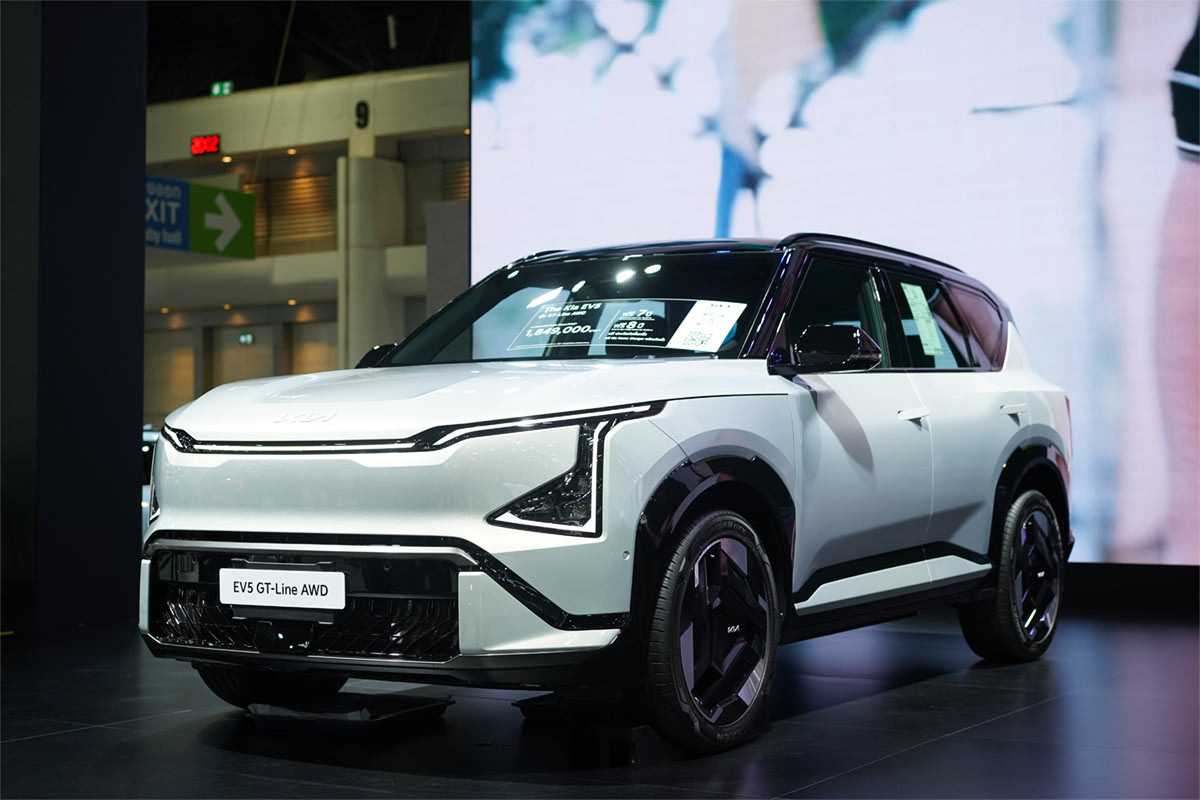
Kia EV5 | Photo: surasak - stock.adobe.com
The EV5 is positioned as a Canada-exclusive model within North America, with an expected spring 2026 arrival. Unlike larger global EV launches that prioritize the U.S., this compact electric SUV is being strategically introduced first in Canada. It reflects how automakers sometimes test or prioritize Canadian demand for smaller EV crossovers before expanding elsewhere. For buyers looking for something different from mainstream electric SUVs, the EV5 represents a uniquely Canadian opportunity.
ARIYA (2026 Canada model) — U.S. production ended after 2025
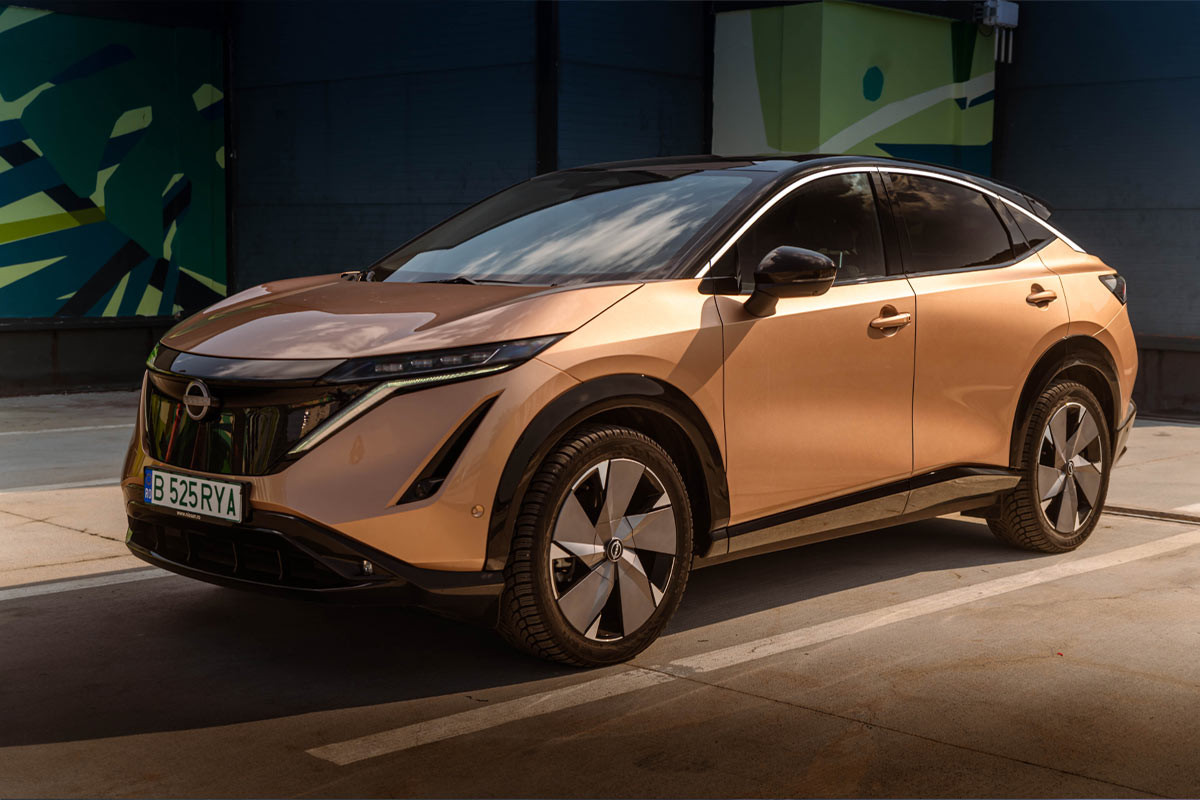
Nissan Ariya | Photo: Gabriel - stock.adobe.com
While Nissan’s U.S. operations ended ARIYA production after the 2025 model year, Nissan Canada continues offering a 2026 ARIYA with published Canadian pricing. That means Canadian drivers still have access to this all-electric crossover even as it disappears from U.S. lineups. It’s a clear example of how model cycles can diverge between the two markets, even when the brand operates on both sides of the border.
EV4 — Available in Canada while the U.S. launch is delayed
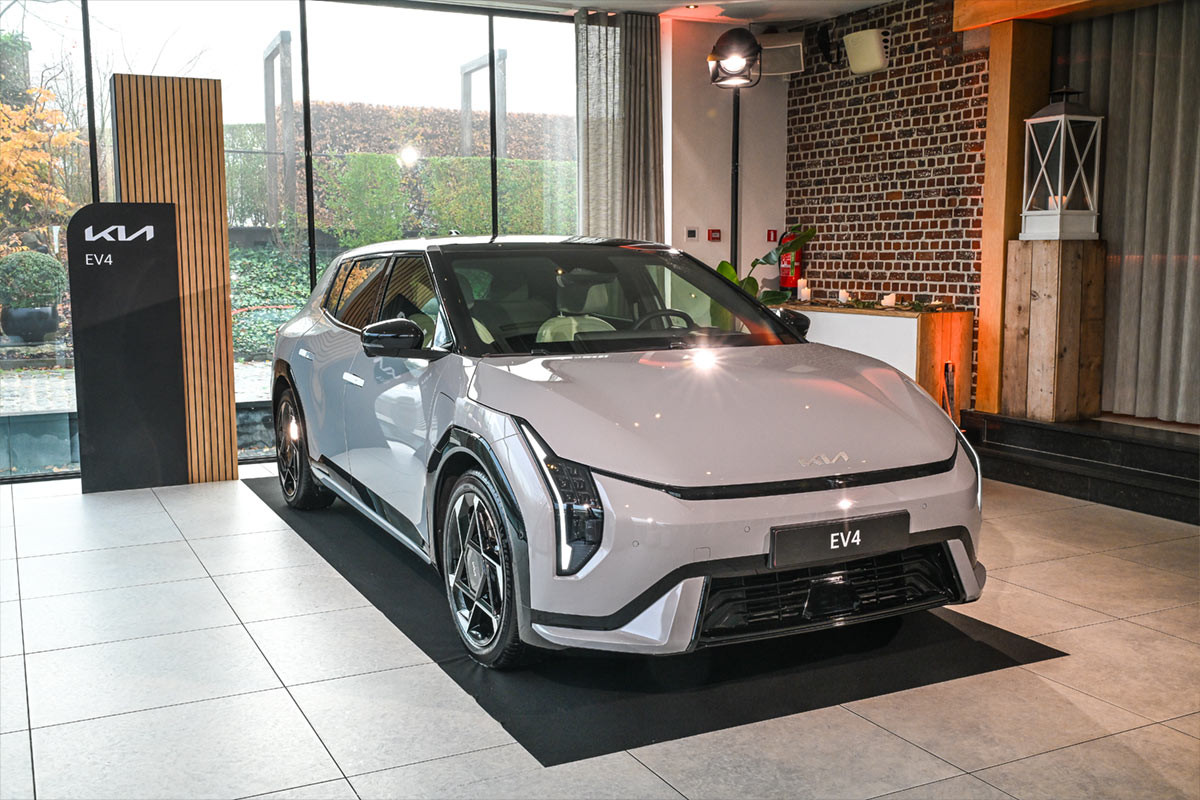
Kia EV4 | Photo: Jean-Luc Flémal - BE - stock.adobe.com
The EV4 has confirmed Canadian availability and pricing communications, while its U.S. launch has reportedly been delayed indefinitely. This creates a rare situation where Canadian buyers gain early access to a new electric vehicle that American buyers cannot currently purchase. It highlights how regional rollout strategies can shift based on demand forecasts and production planning.
KONA Electric (2026) — Canada sells it; the U.S. skips the 2026 model year
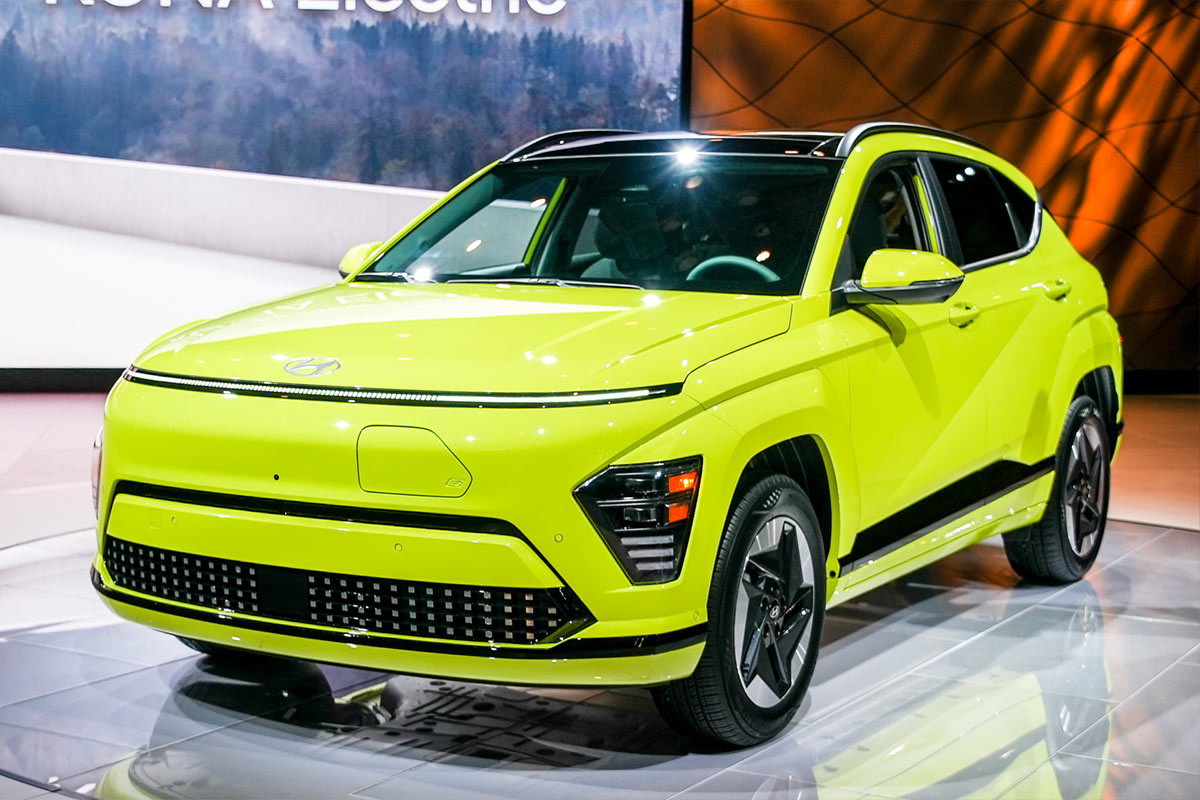
Hyundai Kona Electric | Photo: miro - stock.adobe.com
For 2026, Hyundai Canada continues to market the KONA Electric, while the U.S. market is skipping that model year. This means Canadian buyers retain access to an established compact EV option while American consumers temporarily lose it. In practical terms, it’s another example of how even shared global models can follow different timelines depending on market strategy.
Niro PHEV (2026) — Canada keeps the plug-in; the U.S. drops it

Kia Niro PHEV | Photo: kittyfly - stock.adobe.com
The plug-in hybrid version of the Niro remains available in Canada for 2026, while the U.S. market is dropping the PHEV variant. With hybrid and plug-in demand remaining strong in Canada, this decision reflects how automakers adjust their electrification strategies country by country. Canadian buyers still get the flexibility of gasoline plus electric range, even as U.S. consumers lose that specific configuration.
Grand Caravan (2026) — Sold under “Voyager” in the U.S.
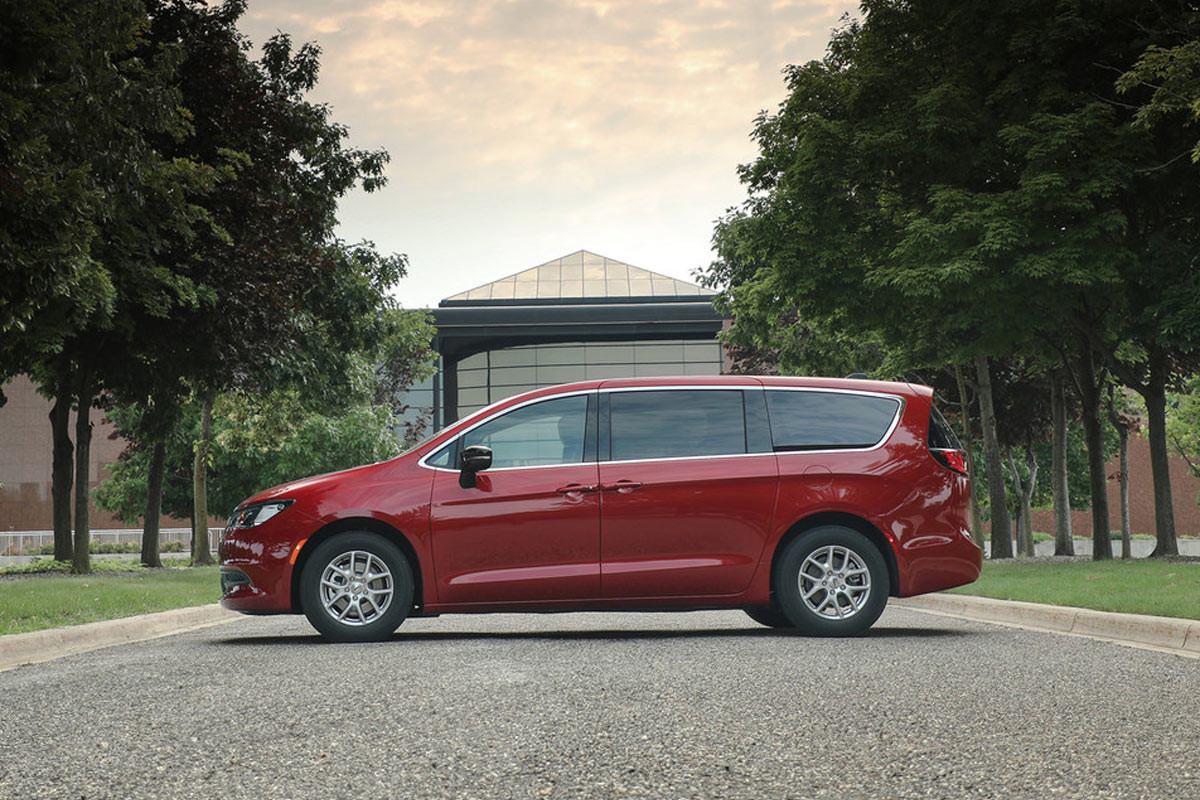
Crysler Grand Caravan | Photo: Chrysler
In Canada, Chrysler continues to market the Grand Caravan nameplate, while the equivalent vehicle in the U.S. is sold as the Voyager. Although the vehicle itself shares similarities, the branding and positioning differ by country. This naming divergence shows how automakers sometimes maintain legacy nameplates in Canada that have been phased out or repositioned in the United States.
PALISADE Hybrid NHL Edition (2026) — Canada-exclusive
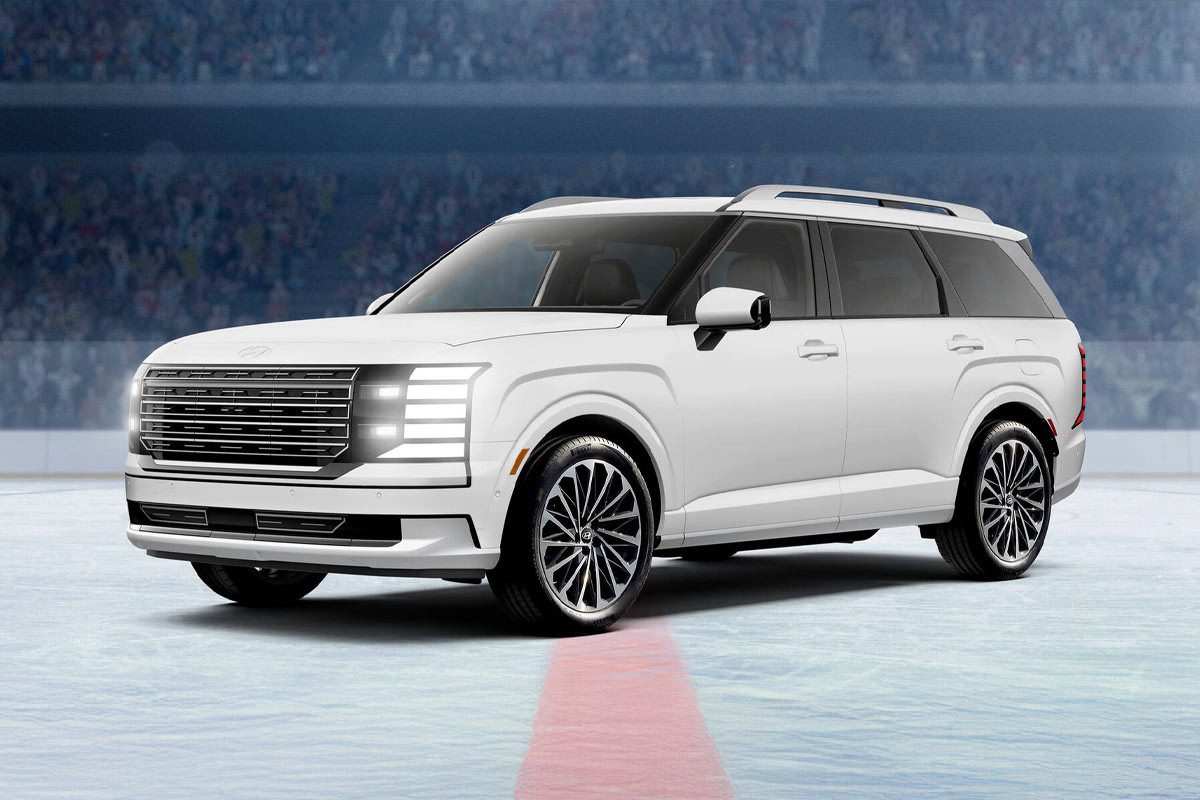
Hyundai Palisade Hybrid NHL Edition | Photo: Hyundai
Hyundai Canada offers the PALISADE Hybrid NHL Edition as a limited, Canada-exclusive release. Tailored to Canadian consumers and tied to national branding, this special edition highlights how manufacturers occasionally create region-specific trims to resonate with local markets. It’s less about mechanical differences and more about market identity and exclusivity.
540i xDrive Legacy Edition (2026) — Canada-exclusive special run
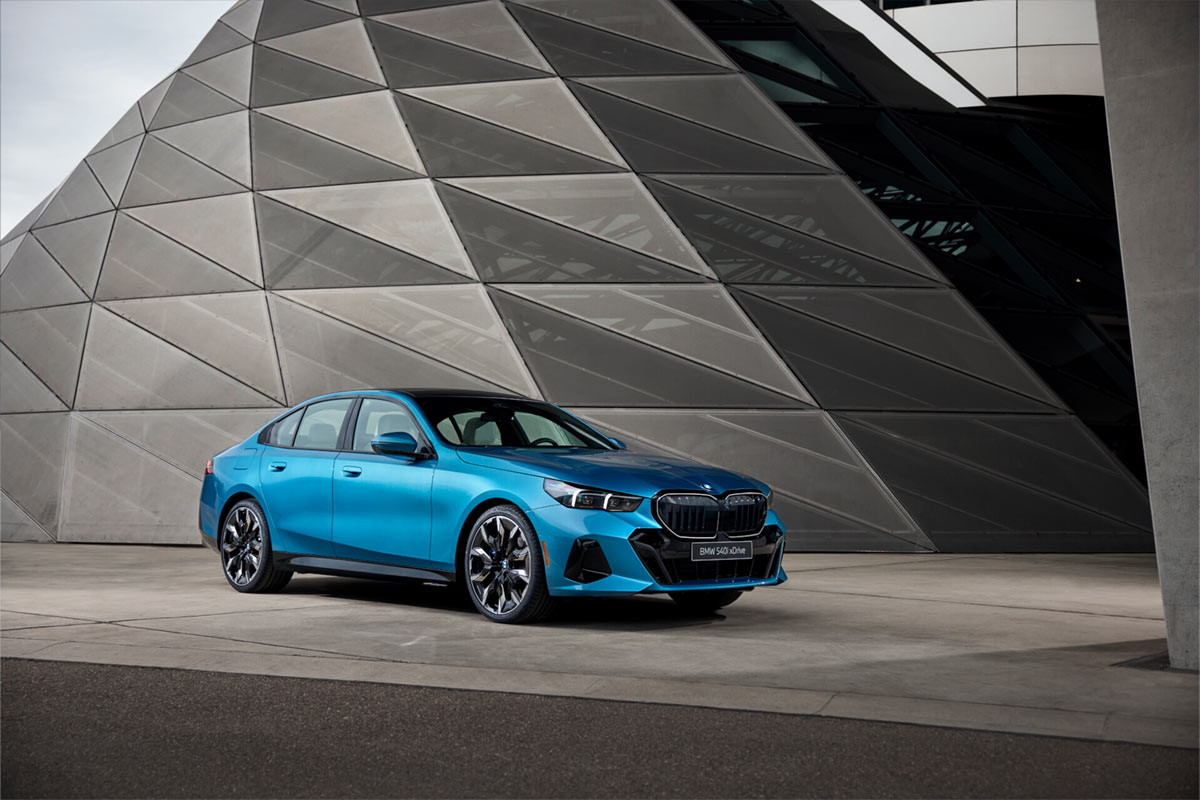
BMW 540i xDrive Legacy Edition | Photo: BMW
BMW Group Canada introduced the 540i xDrive Legacy Edition as a limited production run specifically for the Canadian market. Buyers are instructed to work directly through a dealership due to the model’s limited availability. Special editions like this are often used to celebrate market milestones or maintain enthusiast appeal in regions where demand justifies a short-run release.
Micra (used market) — Sold new in Canada, not sold new in the U.S.
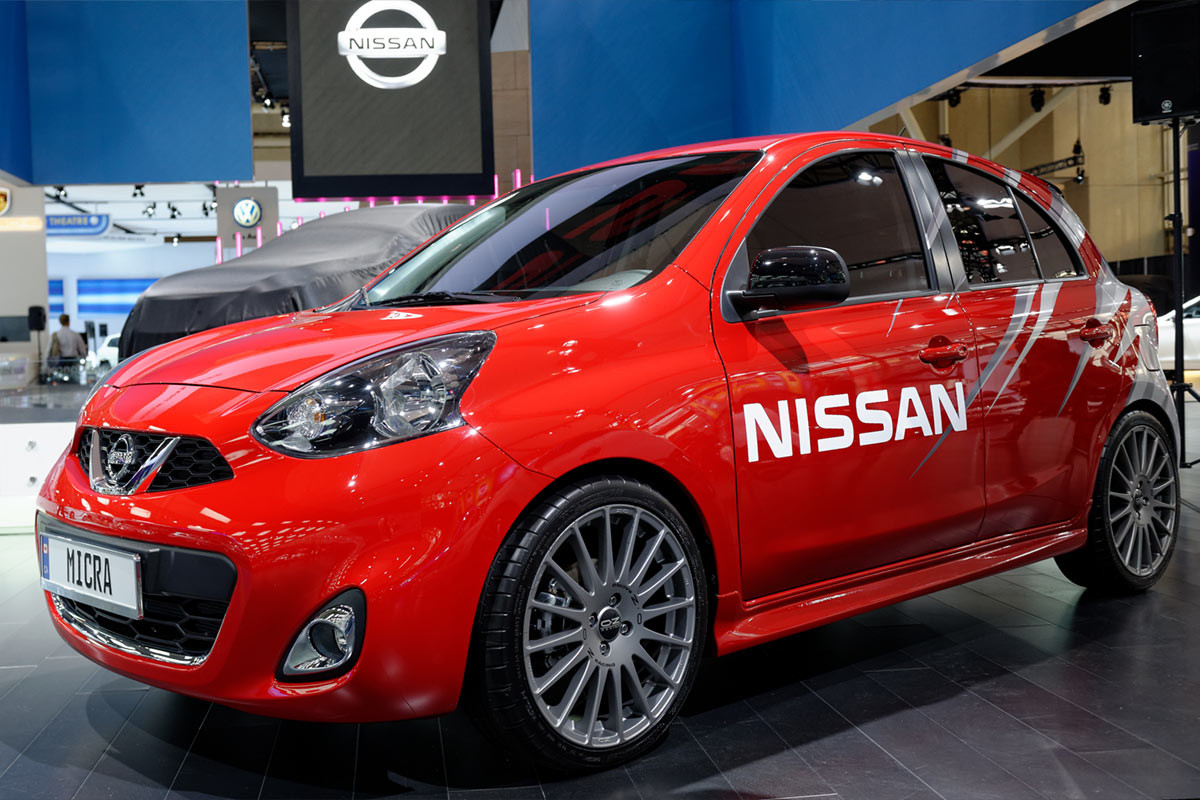
Nissan Micra | Photo: Zoran Karapancev - stock.adobe.com
The Nissan Micra was sold new in Canada but was never offered new in the U.S. market. Although discontinued, it remains a popular used-market option and a reminder of how Canada sometimes supports smaller, more budget-focused vehicles that don’t align with U.S. sales priorities. For shoppers browsing pre-owned listings, it still carries that “Canada-only” story.
CSX (used market) — Canada-exclusive Acura sedan
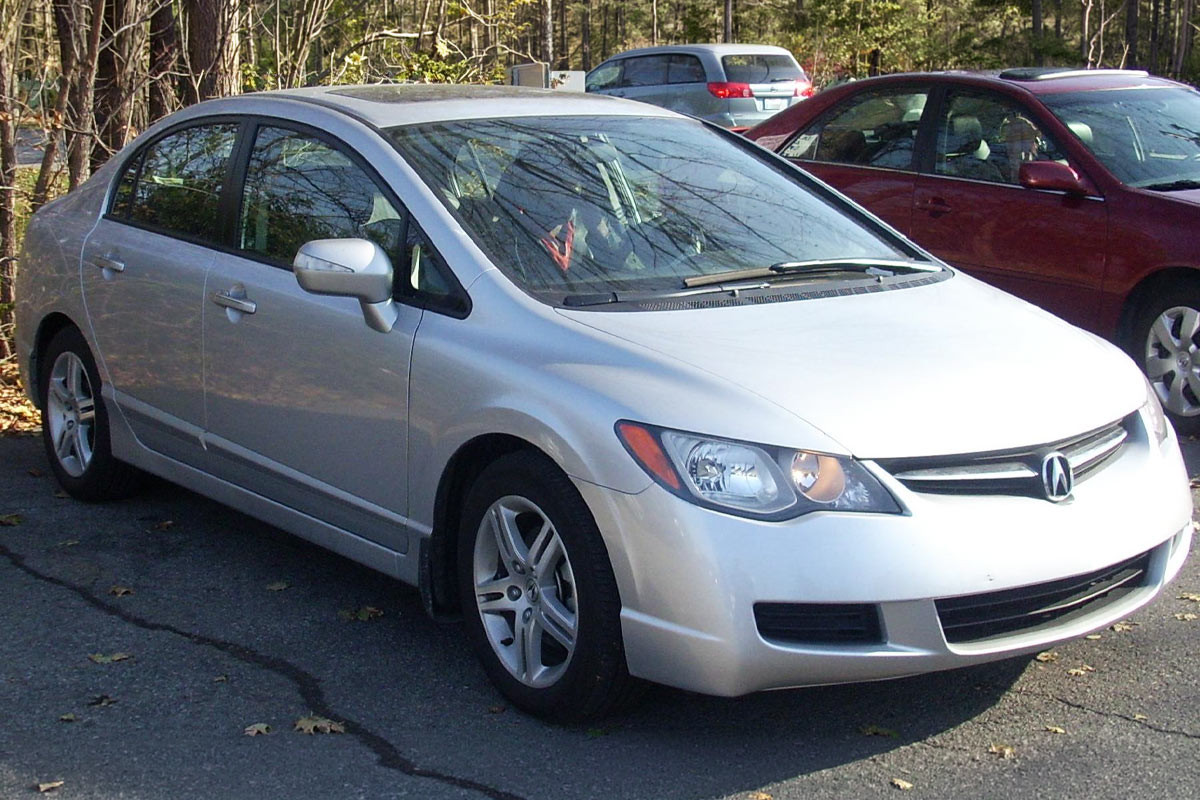
Acura CSX | Photo: Bull-Doser - commons.wikimedia.org
The Acura CSX was a Canada-exclusive sedan when new and remains a unique find on the used market today. Based on the Civic platform but positioned as a more premium offering, it was tailored specifically for Canadian buyers. It’s one of the clearest historical examples of how manufacturers occasionally develop vehicles exclusively for Canada.
Why Some Cars Are Sold in Canada but Not in the U.S.
At first glance, Canada and the U.S. seem like one unified automotive market. Many major car companies, including General Motors, Toyota, Mercedes-Benz, and others, sell similar lineups on both sides of the border. But in reality, automakers treat the two countries as separate markets with different strategies.
One reason comes down to market size and pricing. The U.S. market is significantly larger, which means vehicles built for America often focus on higher-volume, higher-margin segments like large SUVs and trucks such as the GMC Sierra. Canada, meanwhile, sometimes supports smaller sedans, hatchbacks, or niche trims that wouldn’t justify full U.S. distribution.
Another factor is production and sourcing. Some vehicles assembled in Canada or Mexico are positioned differently depending on demand. For example, many Canadian made vehicles are exported to the U.S., while certain Mexican made vehicles may remain exclusive to Mexico or Canada depending on certification requirements and dealership strategy. Even within North America, where trade agreements connect Canada and Mexico, each country can receive slightly different vehicle configurations or nameplates.
Regulatory standards also play a role. Although safety and emissions rules are similar, small certification differences can increase costs if a model is launched in both markets. For lower-volume vehicles, automakers may decide it’s not worth expanding beyond one country.
Finally, dealership networks influence availability. A model may align well with consumer demand and pricing expectations in Canadian cities but overlap too heavily with existing U.S. models. Brands like Toyota (for example, with models like the Lexus NX) or Mercedes-Benz often tailor trims and features based on what performs best regionally.
In short, vehicles built for Canada aren’t always intended for the U.S., even when they come from the same factories. It’s less about borders and more about strategy.
Cars Sold in Mexico (But Not in Canada or the U.S.)
Mexico has one of the most diverse automotive markets in North America. While many Mexican made vehicles are exported to Canada and the U.S., there are also several models sold exclusively in Mexico due to pricing strategy, sourcing, and dealership positioning. Here’s a look at a few notable examples.
Nissan March & Nissan Magnite
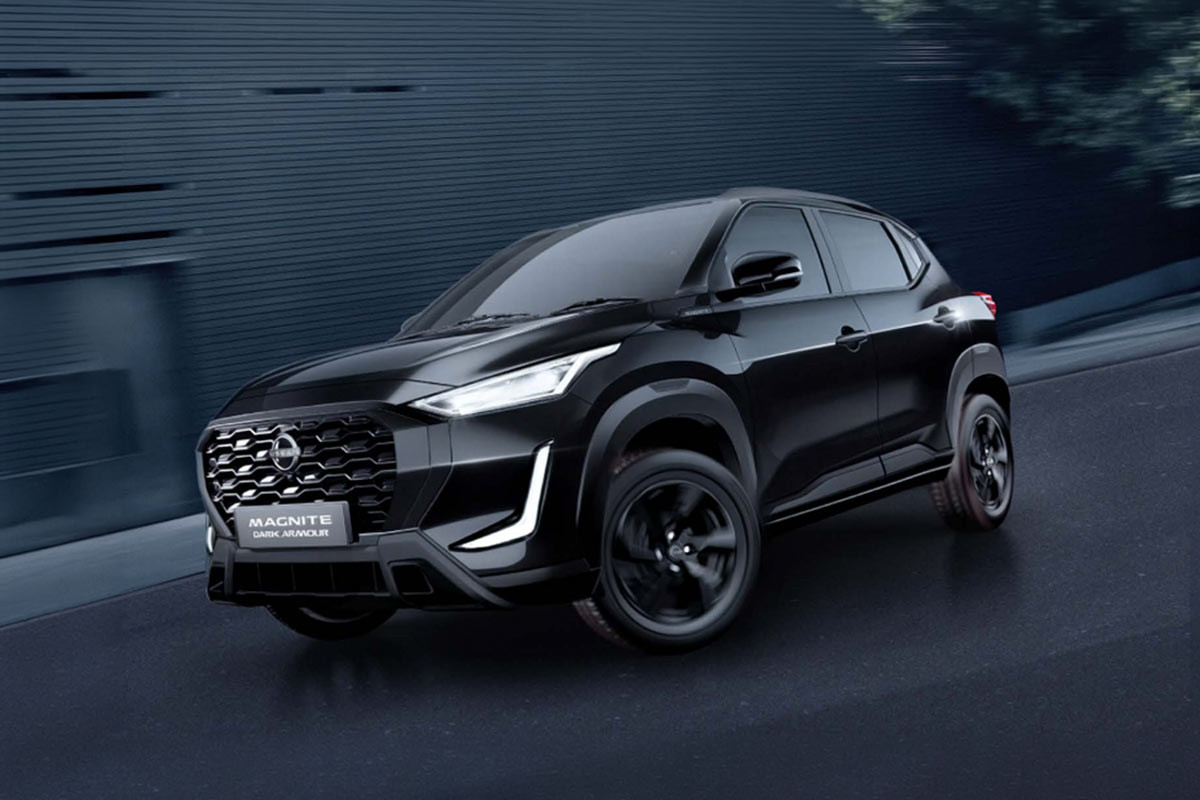
Nissan Magnite | Photo: nissan.com.mx
The Nissan March is the Mexican-market version of the Nissan Micra — a compact, entry-level hatchback designed for urban driving and affordability. While the Micra was discontinued in Canada and never sold new in the U.S., the March continues as an important budget model in Mexico’s lineup.
The Nissan Magnite, on the other hand, is a small “city SUV” powered by a 1.0L turbo engine. It’s designed for emerging markets and imported into Mexico from India. These vehicles don’t currently fit Canada or U.S. lineups, where higher-margin crossovers dominate and certification standards add cost complexity.
Toyota Avanza
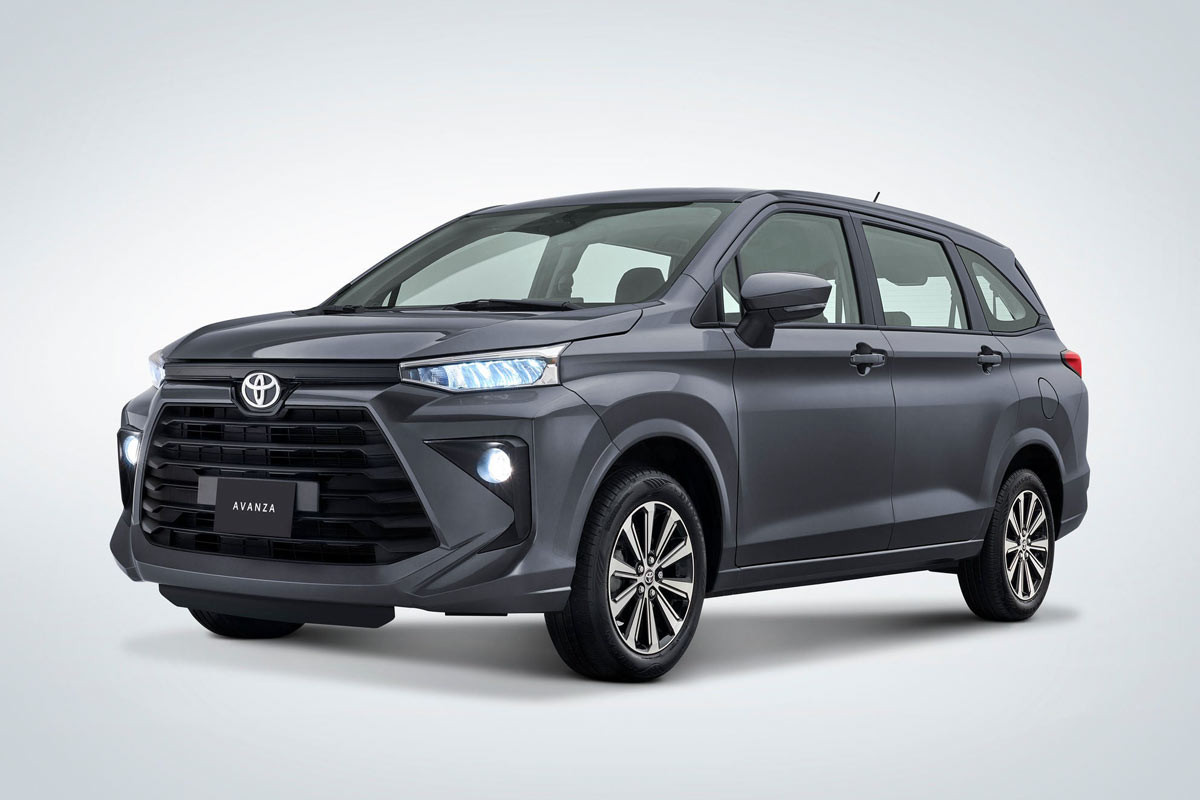
Toyota Avanza | Photo: toyota.mx
The Toyota Avanza is a value-focused three-row MPV — essentially a compact people-mover alternative to a minivan. Imported from Indonesia, it targets families who need seating flexibility at a lower price point than traditional minivans.
In Canada and the U.S., this use case is typically covered by larger crossovers or full-size minivans, making a smaller global MPV like the Avanza a tough fit within North American dealership strategies.
Volkswagen Nivus & Volkswagen Virtus
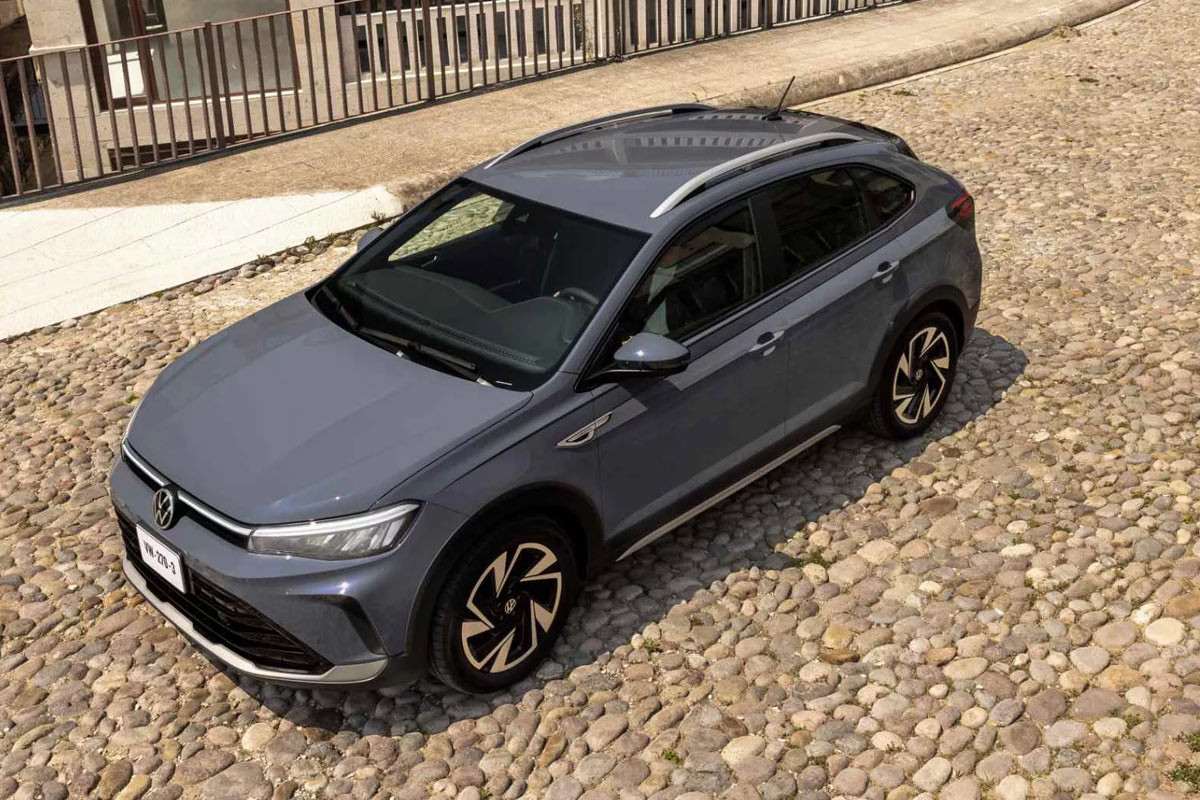
Volkswagen Nivus | Photo: vw.com.mx
The Volkswagen Nivus is a small “SUV coupé” built in Brazil and powered by a 1.0 TSI engine. It blends crossover styling with compact efficiency, targeting urban drivers in Mexico.
The Volkswagen Virtus is a subcompact sedan now imported from India. Both models are “right-sized” for Mexico’s price-sensitive segments but would overlap awkwardly with existing North American sedan and crossover portfolios.
Chevrolet Aveo Hatchback, Captiva & Groove
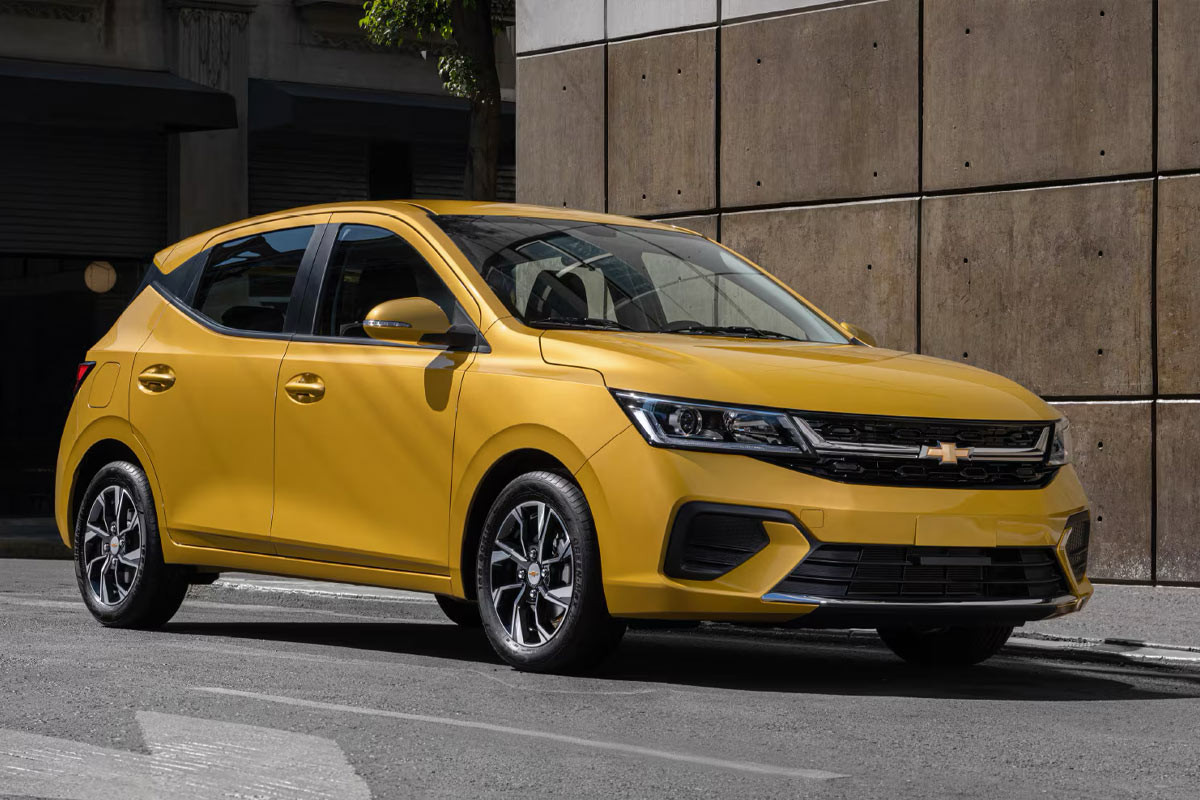
Chevrolet Aveo Hatchback | Photo: chevrolet.com.mx
Several Chevrolet models sold in Mexico are sourced through General Motors’ global partnerships.
The Chevrolet Aveo Hatchback is an entry-level vehicle developed through GM’s partnership ecosystem in China.
The Chevrolet Captiva (Mexico spec) is a family SUV derived from a Chinese-market program and marketed locally as a practical 5- or 7-passenger option.
The Chevrolet Groove is another compact SUV sourced from China and positioned as an affordable crossover.
These models don’t appear in Canada or the U.S. largely due to portfolio overlap, certification costs, and different sourcing expectations at a North American dealership level.
Renault Duster
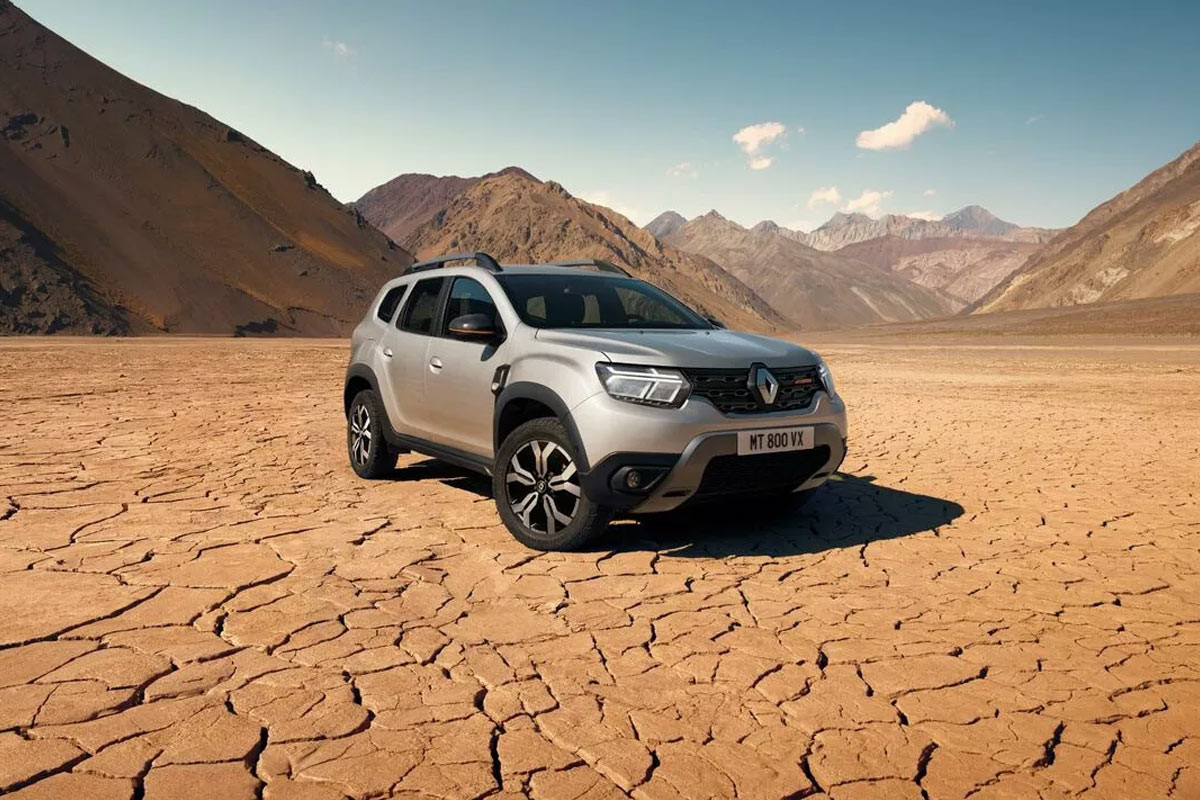
Renault Duster | Photo: renault.com.mx
The Renault Duster is a value-oriented SUV offered with both naturally aspirated and turbocharged engine options. It targets buyers seeking practicality at a lower price point.
The main reason it isn’t sold in Canada or the U.S. is simple: Renault doesn’t operate as a mainstream retail brand in those markets.
SEAT Ibiza
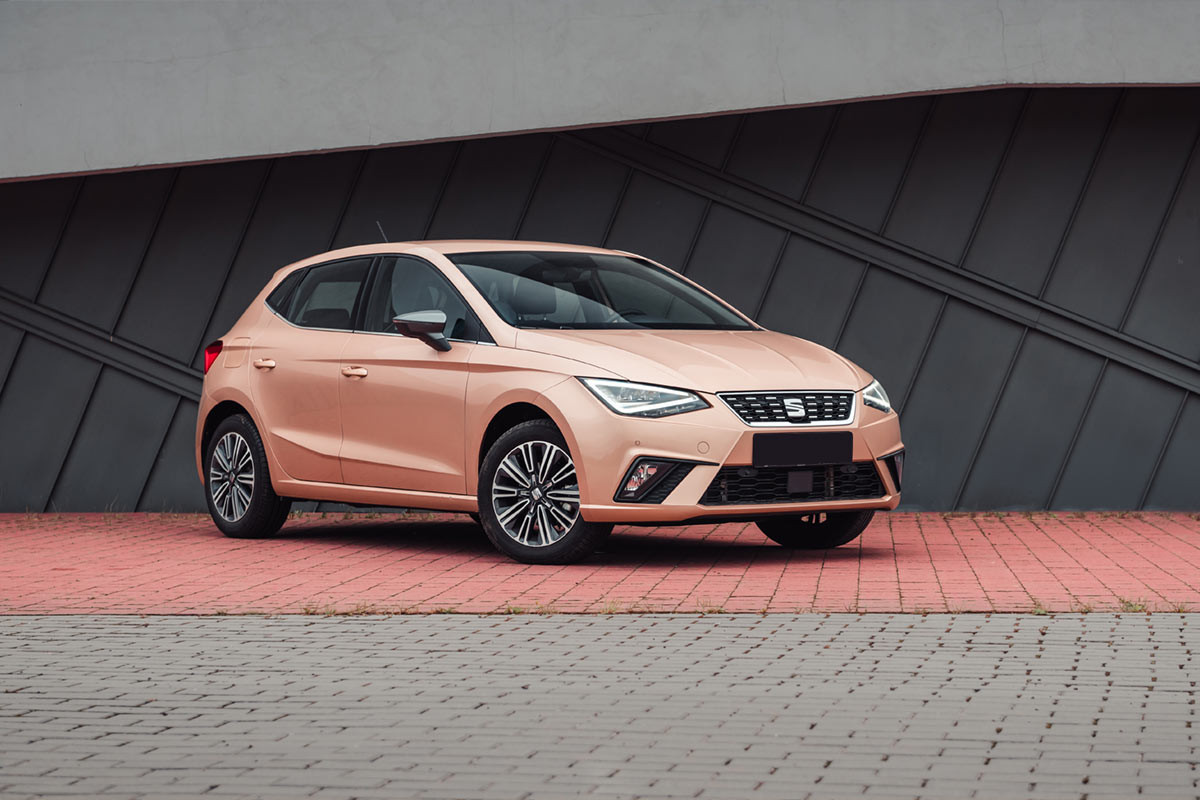
Seat Ibiza | Photo: andrbk - stock.adobe.com
The SEAT Ibiza is a compact hatchback produced in Spain and positioned as stylish yet affordable. With multiple trims and sporty styling, it competes directly in Mexico’s compact segment.
Since SEAT does not have broad retail operations in Canada or the U.S., the Ibiza remains a Mexico-exclusive offering.
Dodge Attitude
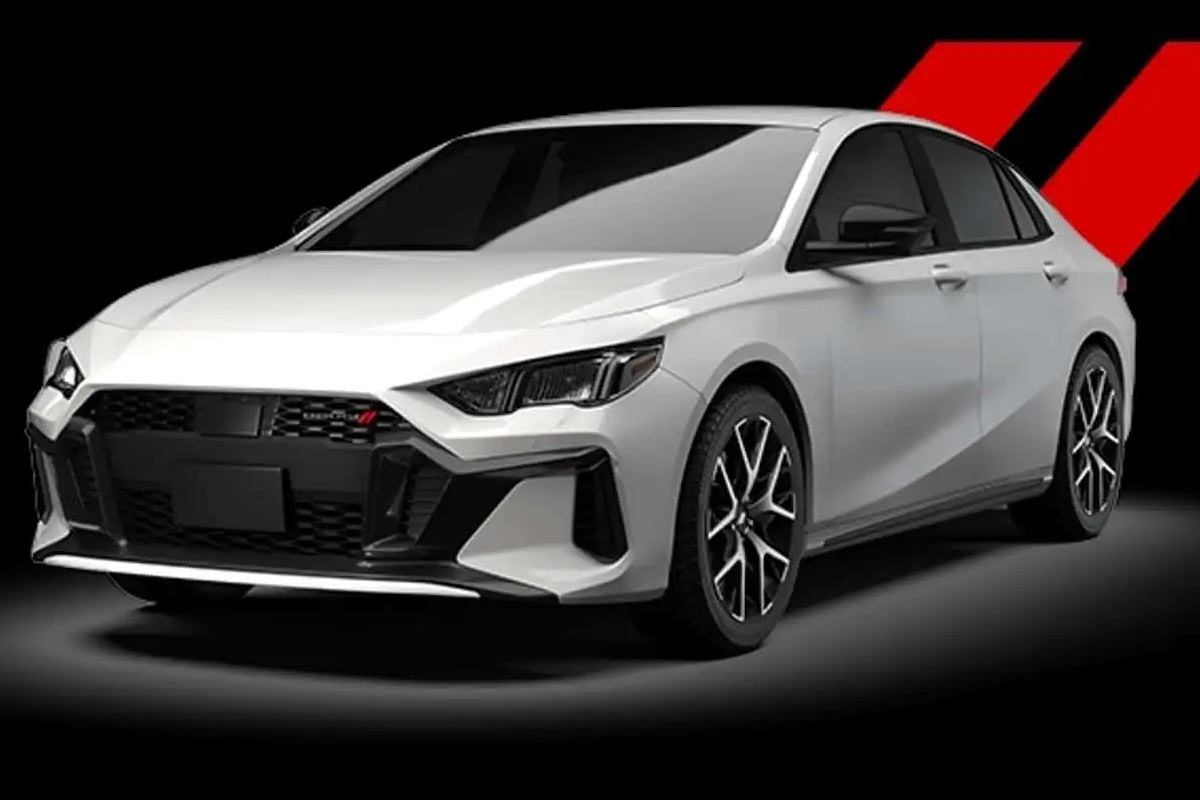
Dodge Attitude | Photo: Dodge Group
The Dodge Attitude is a subcompact sedan sold exclusively in Mexico. It is sourced from China and rebadged for the local market.
Rather than being a North American program, it’s tailored specifically for Mexico’s demand for affordable sedans — making it unlikely to cross into Canada or U.S. lineups.
FAQ
Are there still lots of Canada-only new cars?
Not many compared with the past; Canada and the U.S. now share very similar new-car lineups, with most “exclusives” appearing as limited editions or timing differences (especially around EVs).
Can Americans just buy these cars in Canada and bring them home?
Sometimes—but U.S. importation generally requires compliance with applicable U.S. standards, and the import process has formal rules and paperwork. Start with NHTSA’s importer guidance.
Can Canadians import U.S.-market cars that aren’t sold here?
Often yes, but Transport Canada notes you may need export clearance, proof of recall clearance, taxes/duties, and an inspection process (commonly through the Registrar of Imported Vehicles).
Why do some models exist in Mexico but not in Canada or the U.S.?
Mexico has its own market needs and pricing bands; automakers often offer smaller or different platforms there (including models sourced from other regions) and sell them through local dealer networks.
How does this help me when I’m shopping with a dealership?
It helps set expectations: if a model isn’t officially marketed in your country, it will typically be harder to finance, service, or warranty like a normal retail vehicle—so it’s usually smarter to shop what’s officially sold in-market, unless you’re intentionally doing a specialty import.
People Also Ask
Why are some cars sold in Canada but not in the U.S.?
Automakers treat Canada and the U.S. as separate markets. Differences in demand, pricing strategy, production planning, and dealership networks can result in certain vehicles being sold in Canada but not in the U.S.
Are cars built in Canada sold in the United States?
Yes. Many Canadian made vehicles are exported to the U.S., especially models produced by companies like General Motors, Toyota, and Honda. However, not every vehicle assembled in Canada is marketed identically in both countries.
Are there vehicles built in Mexico that aren’t sold in the U.S.?
Yes. While many Mexican made vehicles are exported across North America, some models are sold exclusively in Mexico due to pricing strategy, certification requirements, or brand positioning within dealerships.
Is it legal to import a car from Canada to the U.S.?
It can be legal, but the vehicle must meet U.S. safety and emissions standards. Some Canada-only models may require modifications before they can be registered in the United States.
Why does Canada sometimes keep small cars that the U.S. drops?
The Canadian market historically supports smaller, fuel-efficient vehicles more consistently than the U.S., where trucks and larger SUVs — like the GMC Sierra — dominate sales.
Do Canada and Mexico share the same car models?
Often yes, but not always. Due to trade agreements between Canada and Mexico, many vehicles assembled in North America move across borders. However, trim levels, branding, and even full nameplates can differ depending on market demand.
Are luxury brands different in Canada compared to the U.S.?
Most luxury brands like Mercedes-Benz and Lexus sell similar vehicles in both markets. However, certain trims or editions — including models like the Lexus NX — may be packaged differently depending on Canadian demand.
Can I buy a Canada-only car through a U.S. dealership?
Typically no. U.S. dealerships usually only sell vehicles certified for the American market. Importing privately is sometimes possible, but it involves additional paperwork and compliance checks.
About Canada Drives
Canada Drives helps Canadians get pre-approved for vehicle financing before they start shopping. Our online application matches drivers with local dealerships that have vehicle options for all credit situations, including bad credit or limited credit.
With one simple pre-approval, you can avoid wasted time at the dealership and shop with confidence knowing exactly what you're approved for.